Shop by Cooking Style
Shop AllShop Top Categories
All CategoriesKamado, Gravity-Fed Charcoal or Electric Bisquette: Picking Your Smoking Method
Posted on
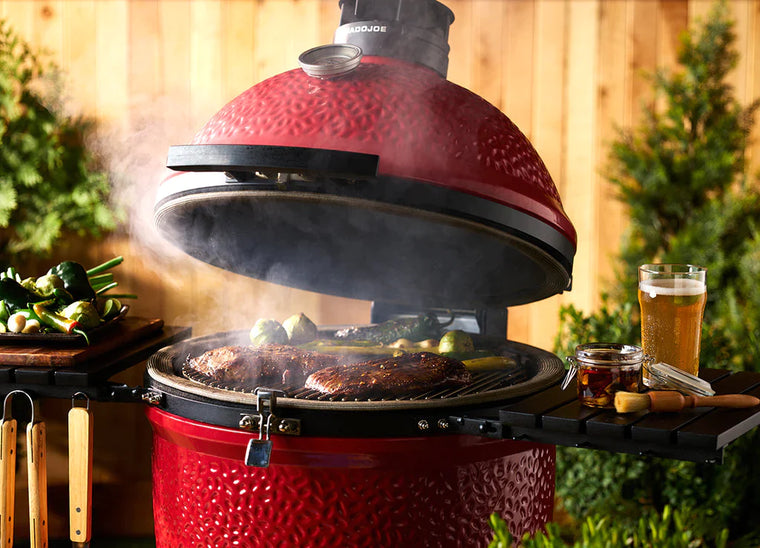
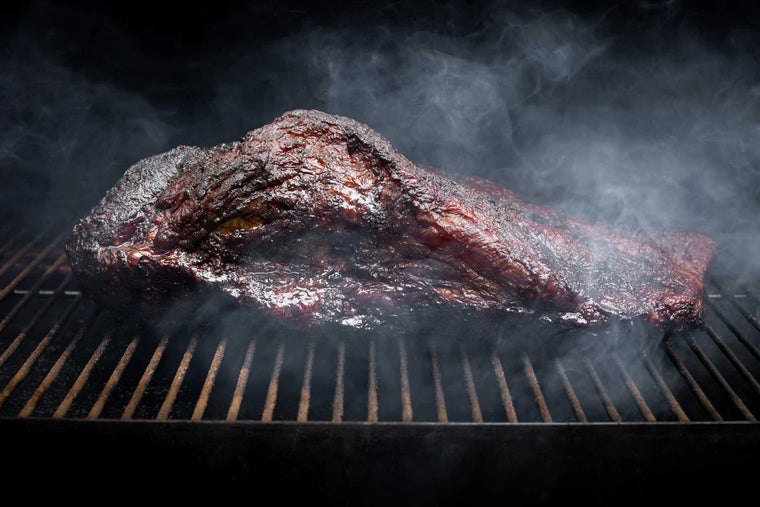
Three machines, three different ideas of what "easy" means Kamado, gravity-fed charcoal and electric bisquette smoking all produce genuinely good barbecue. They disagree on what you should be doing with your hands while it cooks. A kamado hands you a vent and asks you to manage the fire. A gravity-fed grill hands you a dial and manages the fire itself, as long as the power stays on. A Bradley smoker removes fire management from the equation entirely, at the cost of the highest heat you can reach. If you want the broader rundown that also covers pizza ovens, portable BBQs and gas — we've written that one already. This is the narrower question underneath it: if smoking specifically is what...
FireBoard Pulse vs The MeatStick: Which Wireless Thermometer Actually Survives a Kamado Cook
Posted on
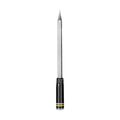
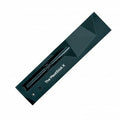
Two probes, two very different bets on how "wireless" should work The FireBoard Pulse and The MeatStick solve the same problem — a cable running from a probe in your meat, across the grill, to a display on the bench — but they bet on different ways to get rid of it. FireBoard put two sensors in one stainless probe and built for range through metal. MeatStick made the probe itself fully wireless and untethered, then sells you range as an add-on when you need it. FireBoard Pulse: one probe, two temperatures at once The Pulse reads meat and ambient grill temperature from a single probe — a sensor near the tip for the meat, a second in the ceramic...
Why Bradley Smokers Refuse to Burn Anything Except Their Own Wood Pucks
Posted on
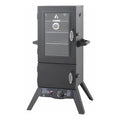
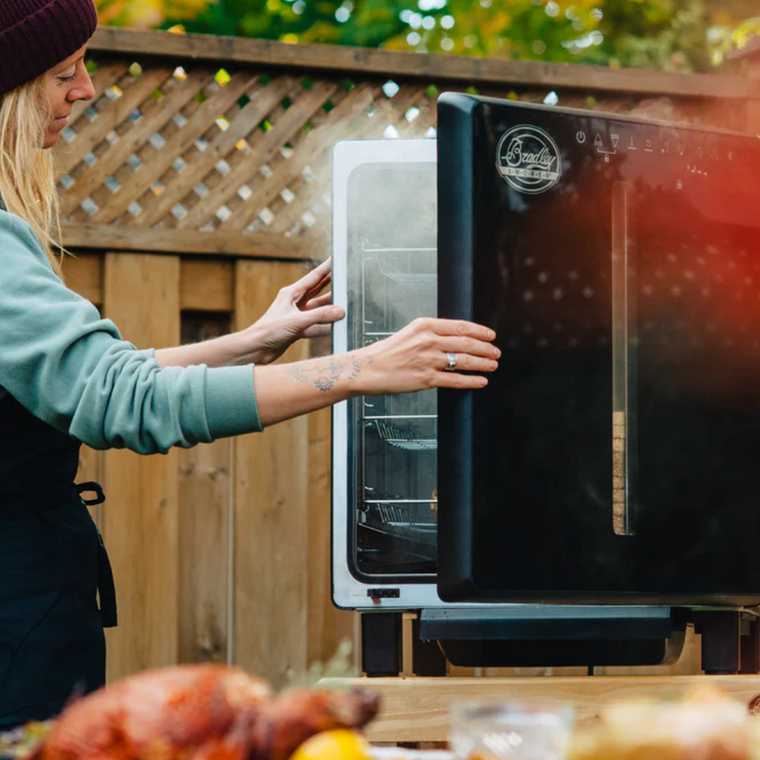
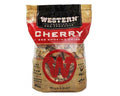
A wood puck, on a heated plate, for exactly twenty minutes Every Bradley Smoker is built around one part most other smokers don't have: an automatic feeder that pushes a fresh compressed-wood bisquette onto a heating plate every twenty minutes, then shoves the spent one off into a water bowl below. Load enough bisquettes for the length of your cook, set the temperature, and the smoker manages the smoke generator entirely on its own for hours at a time. It's a genuinely unusual piece of engineering — and it's also the reason Bradley smokers will only run on Bradley bisquettes. Loose wood chips or pellets jam the feeder mechanism outright. Why there's a water bowl involved at all The water...
How Gravity-Fed Charcoal Actually Works (and Why Masterbuilt Owns the Category)
Posted on
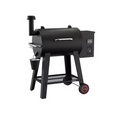
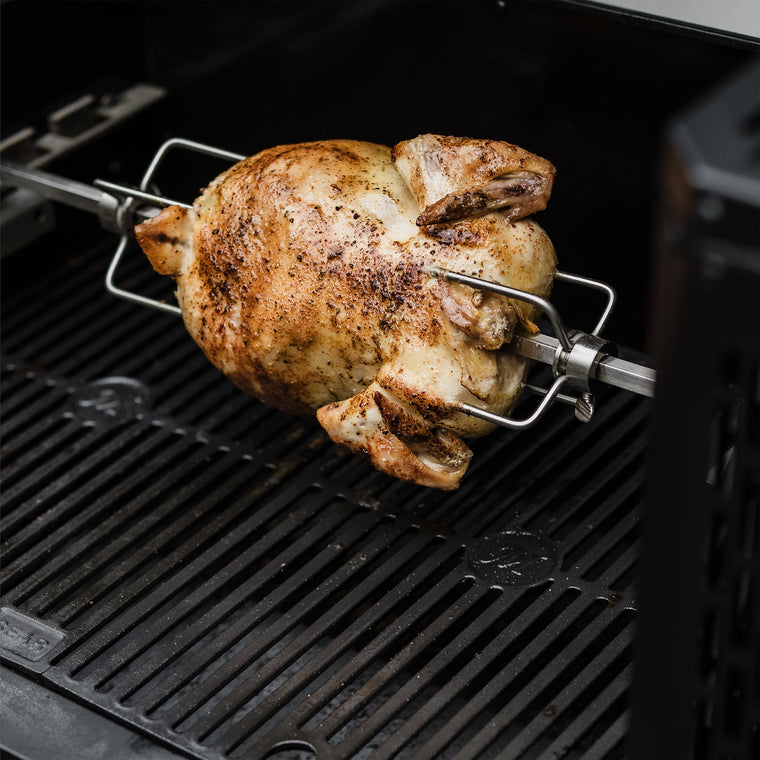
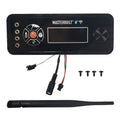
A fan, a hopper, and a fire that never needs a fire-tending session Gravity-fed charcoal grills solve one problem: the thing that makes charcoal taste better than gas is also the thing that makes it a pain to use — you have to babysit it. Masterbuilt's Gravity Series answers that by feeding the fire mechanically instead of by hand. Load the hopper, light the base, set a temperature on the digital panel, and a variable-speed fan does the vent-tweaking a live-fire cook usually demands. If you want the model-by-model breakdown of the 1150 specifically — build quality, the app, how it compares to the 1050 it replaced — we've already written that review. This one's about the mechanism itself: how...
Joe Jr vs Classic Joe vs Big Joe: Which Kamado Actually Fits Your Backyard
Posted on
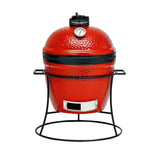
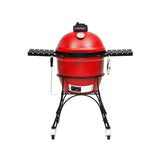
13.5, 18 or 24 inches — the number that decides everything else Kamado Joe sells three grills, and the difference that actually matters isn't the generation or the colour — it's the cooking surface. Joe Jr is 13.5 inches across (roughly 148 sq in). Classic Joe is 18 inches (around 254 sq in). Big Joe is 24 inches (around 450 sq in). Everything else — price, weight, how many ribs you can fit flat, whether it fits in a ute — follows from that one number. Most people get this decision wrong in a specific direction: they buy for the party they hosted once, not the Tuesday-night dinner they'll actually cook a hundred times. Joe Jr: 13.5 inches, and it's...
How to Smoke Ribs in an Electric Smoker: The Aussie Backyard Guide
Posted on
Tender, smoky pork ribs with proper bark and a sticky glaze — done in an electric smoker on the back deck. Here's the time, temp and technique that actually works, plus the bits most guides skip.